Why test?
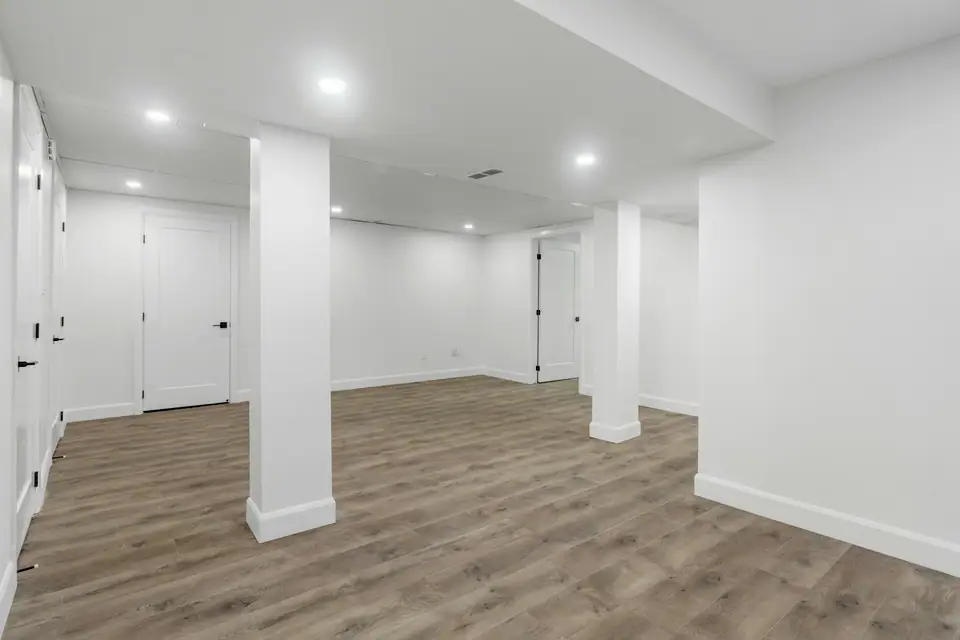
Radon can't be detected by your senses, and you can't guess it from your neighbor's result or a zone map. Sedgwick County homes regularly test both above and below the EPA action level of 4 pCi/L. The EPA and KDHE recommend testing every home, including new homes and homes without basements.
Your testing options
Do-it-yourself kits
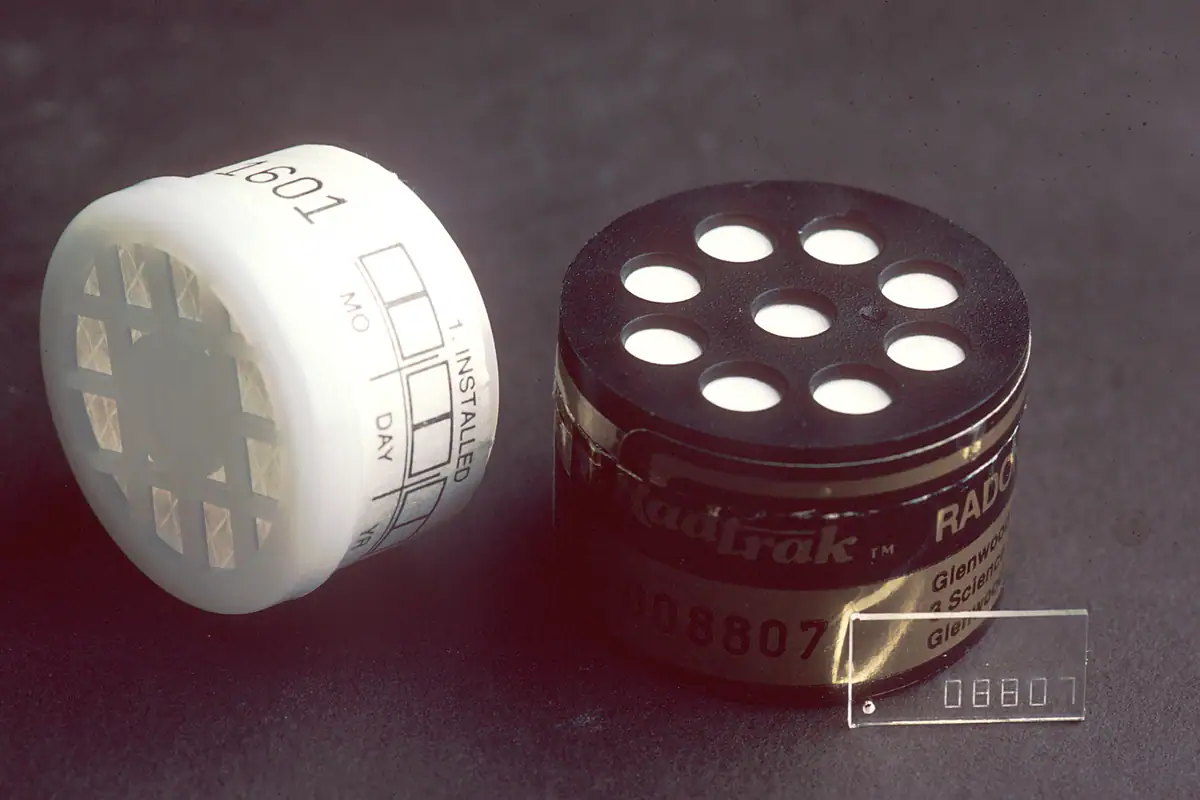
Short-term charcoal or similar kits sit in your home for 2 to 7 days and then get mailed to a lab. They are inexpensive and a good first step. Long-term kits (more than 90 days) give a better estimate of your year-round average.
Professional continuous radon monitor (CRM) test
A KDHE-certified measurement professional places an electronic monitor that records radon levels hour by hour, usually for at least 48 hours. Results come back quickly, and the hourly data can show if the test was disturbed. This is the usual choice for home sales.
How to get an accurate result
- Keep windows and outside doors closed for 12 hours before and throughout a short-term test (normal coming and going is fine).
- Place the test in the lowest level you regularly use, about 2 to 6 feet off the floor, away from drafts, kitchens, bathrooms and exterior walls.
- Avoid testing during severe storms or very high winds, which can skew short-term results.
- Follow the kit's timing instructions and mail it promptly.
What your number means
| Result | What the EPA suggests |
|---|---|
| 4 pCi/L or higher | Confirm with a second test (or rely on a long-term test), then fix the home. |
| 2 to 4 pCi/L | Consider fixing. There is still some risk at these levels. |
| Below 2 pCi/L | Retest every two years, and after major renovations or changes to heating and cooling. |
For context, the EPA estimates the average indoor radon level in U.S. homes is about 1.3 pCi/L, and outdoor air averages about 0.4 pCi/L.
Testing after a system is installed
After a mitigation system is installed, the EPA recommends a short-term test no sooner than 24 hours and no later than 30 days after the system starts running. Ask your installer whether this post-mitigation test is included in the price.
Ready to test or need help reading a result? Request a quote and include your number if you have one.
Sources: U.S. EPA, A Citizen's Guide to Radon; KDHE Radon Program.