Bel Aire sits on Wichita's northeast edge, with older neighborhoods alongside newer development. Many Bel Aire homeowners are updating or finishing basements, and that's the best moment to think about radon. A system planned into a remodel is neater and usually cheaper than one added after the drywall, carpet and trim are done.
Test before you start
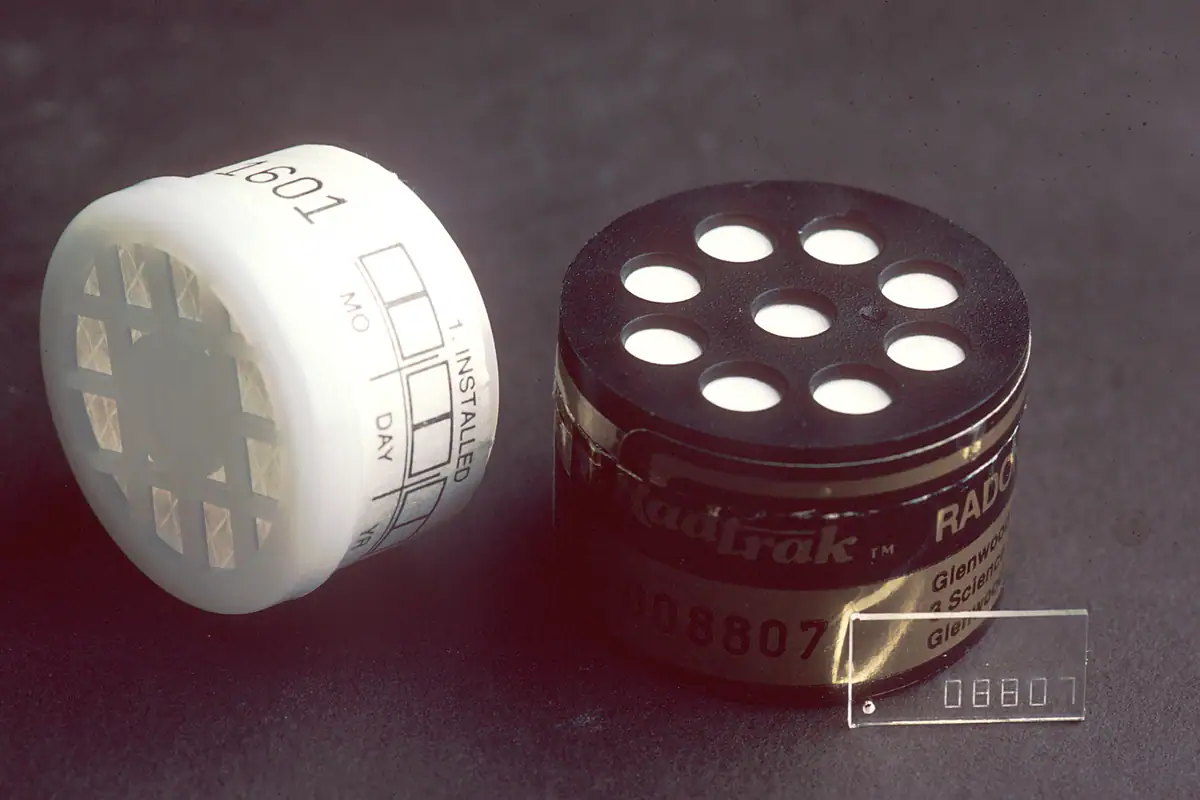
Do a short-term test in the basement before demolition or framing begins, with the house closed up as normal. If the result is 4 pCi/L or higher, retest or follow up as the EPA recommends, then plan the system into the job. If it's lower, keep the result: you'll want to test again once the space is finished and in use, since sealing and remodeling can change air pressure in the house.
How to plan a radon pipe into a remodel
- Pick the suction point early. An unfinished mechanical room or under-stair space is ideal. Your installer can also use the sump pit.
- Leave a chase. If you want an interior route, frame a small chase in a closet corner so the pipe can rise to the attic without boxing it in later.
- Seal before you cover. Open slab cracks, the floor-wall joint and any gaps around pipes are easiest to seal while they're exposed.
- Keep the gauge visible. The U-tube manometer that shows the system is working must stay where you can see it.
- Think about the new rooms. Adding a basement bedroom or bathroom with an exhaust fan can change how the house breathes. Retest after the remodel.
Already finished?
Retrofitting a finished basement is completely normal. The installer will look for the least disruptive spot, often in a storage area, and may run the pipe outside or through the garage rather than through finished rooms. It just takes more planning.
Radon and the rest of the house
Radon is an issue for the whole house, not only the basement. The fan pulls soil gas from under the slab before it enters, which lowers levels on every floor. The EPA estimates radon is the leading cause of lung cancer among people who have never smoked, which is why it's worth a few minutes of planning in any remodel.
Get a quote
If you're mid-project, say so in the form and include your timeline. One KDHE-certified professional who covers Bel Aire will contact you, and can coordinate with your contractor. For costs, see the cost guide.
Common questions
Can my general contractor install the radon system during a remodel?
In Kansas, radon mitigation done for someone else must be done by a KDHE-certified mitigation professional. Your contractor can leave a chase and access; a certified installer should design and install the system.
Should I test again after the remodel?
Yes. Remodeling, new exhaust fans and air sealing can change radon levels. Test once the space is finished and in normal use.
Does an interior pipe route cost more?
Usually, because it takes more labor and finishing. During a remodel, with walls open, the extra cost is often much smaller than adding an interior route later.