These figures are estimates of typical ranges, not quotes. They are meant to help you budget and compare. Your home's design determines the real price, and only a written quote from a certified installer is binding.
Typical price range
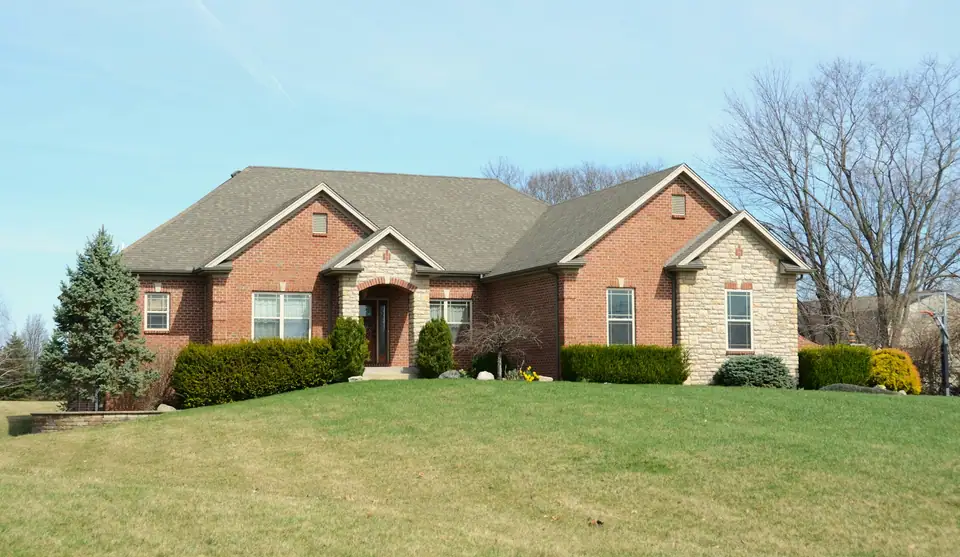
For a standard single-family home in the Wichita area with one suction point and a basement or slab foundation, our estimate of the typical installed price is roughly $800 to $1,500. The EPA describes the cost of fixing a radon problem as being in line with other common home repairs.
| Situation | Estimated typical range | Why |
|---|---|---|
| Basement or slab, one suction point, exterior pipe | $800 – $1,200 | Simplest design and shortest install |
| Basement or slab, interior pipe through closet and attic | $1,000 – $1,500 | More labor and finishing work |
| Crawl space (sealed membrane system) | $1,200 – $2,500+ | Membrane material, sealing and access |
| Multiple foundations or poor sub-slab airflow | $1,500 – $3,000+ | Extra suction points or a larger fan |
| Professional radon test (continuous monitor) | Often $100 – $250 | Varies by provider and turnaround |
What affects the price
Foundation type
Basements and slabs are usually the most straightforward. Crawl spaces need a plastic membrane sealed over the soil, which adds material and labor. Homes with additions may have two or three foundation types.
What's under the slab
Gravel under a slab lets air move easily, so one suction point may cover the whole house. Dense clay or compacted fill can restrict airflow, which may call for extra suction points or a stronger fan.
Pipe route
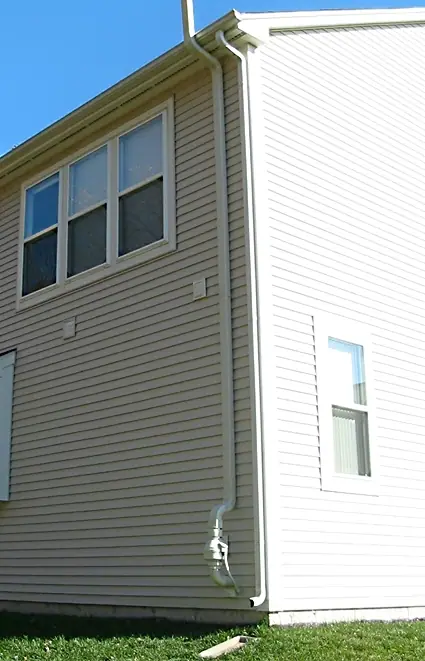
An exterior route is usually cheapest. Running the pipe inside through a closet, up through the attic and out the roof looks tidier but costs more.
Sealing and extras
Sealing a sump pit, large cracks or floor drains is often included. Electrical work for the fan, condensation management or cosmetic boxing of the pipe may add cost.
Running costs
A radon fan runs 24 hours a day. Many residential fans draw somewhere between about 20 and 150 watts depending on the model and how hard it has to work. Ask for the fan model in your quote. Fans eventually wear out and need replacing, so ask about the fan's warranty as well as the installer's workmanship warranty.
How to compare quotes
Our guide to choosing a radon contractor goes into more detail. The short version:
- Is the installer KDHE-certified, as Kansas law requires?
- Does the quote name the fan model, pipe route and exhaust location?
- Is a post-mitigation radon test included?
- What happens if the follow-up test is still above 4 pCi/L?
- What do the fan and workmanship warranties cover, and for how long?
The cheapest quote isn't always the best value if it skips sealing, testing or warranty coverage. Request a quote to get a price for your home.