Why radon matters for Wichita homes
Radon is a radioactive gas that forms naturally when uranium in soil and rock breaks down. You can't see it, smell it or taste it. It moves up through the ground and into houses through cracks in the slab, gaps around pipes, sump pits and crawl spaces. Once inside, it can build up, especially in basements and lower floors.
The reason to care is lung cancer. The U.S. Environmental Protection Agency (EPA) estimates that radon causes about 21,000 lung cancer deaths in the United States each year. It is the second leading cause of lung cancer overall and the leading cause among people who have never smoked. The risk comes from breathing radon over many years, so the home you live in matters most.
Radon is common in Kansas. On the EPA's radon zone map, many Kansas counties are in Zone 1, the highest-potential category. Sedgwick County is listed as Zone 2, which means the predicted average is between 2 and 4 pCi/L. That average hides a lot of variation. Two houses on the same Wichita street can test very differently because of soil, foundation type and how the house was built. That's why the EPA and the Kansas Department of Health and Environment (KDHE) both recommend testing every home, whatever the map says.
Step one: test your home
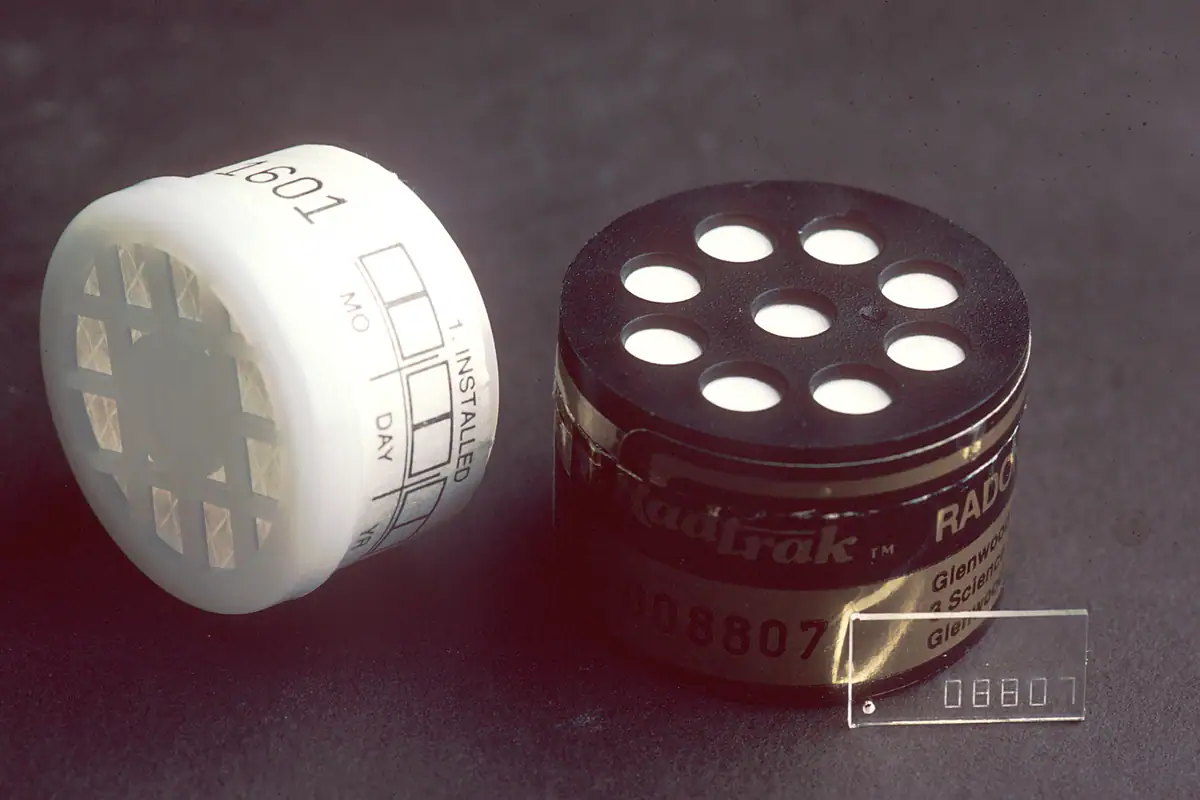
A radon test is the only way to know your level. You have two basic options:
- Short-term test (2 to 90 days). Most people start here. Kits are inexpensive and you mail them to a lab. Keep windows and outside doors closed for 12 hours before and during the test.
- Long-term test (more than 90 days). Gives a better picture of your year-round average, because radon levels change with the seasons and the weather.
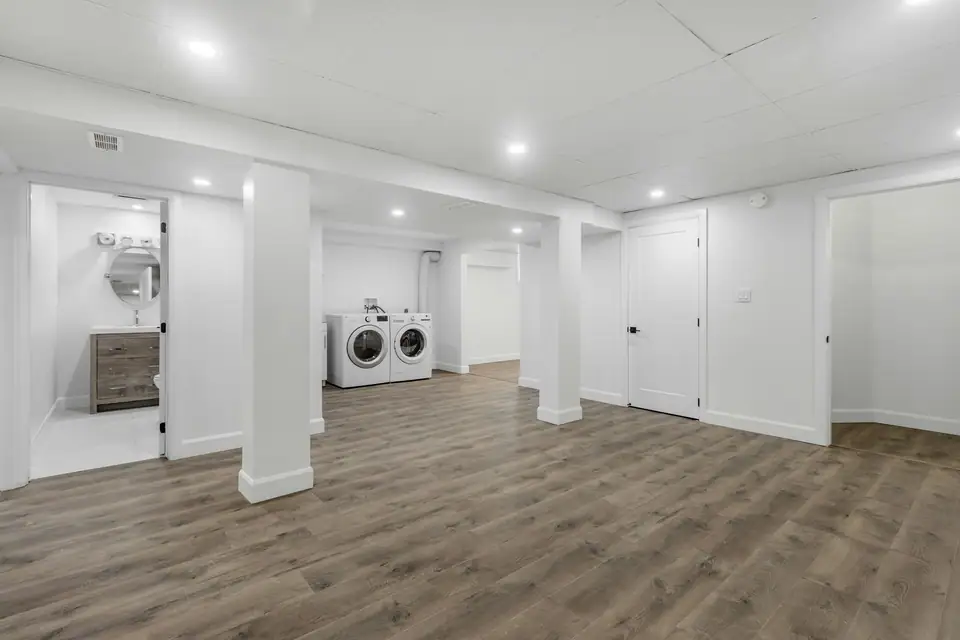
Test in the lowest level of the home you use regularly, like a finished basement or a ground-floor bedroom. If your first short-term test comes back at 4 pCi/L or higher, the EPA suggests a second test to confirm before fixing. If you are buying or selling a home and time is short, a certified tester can run a continuous radon monitor over two or more days. Read more on our radon testing page.
Step two: fix it with a mitigation system
If your home is at or above the EPA action level of 4 pCi/L, the EPA recommends fixing it. The EPA also suggests considering a fix if you are between 2 and 4 pCi/L. The good news is that radon problems are very fixable.
The most common method in Wichita, and across the country, is sub-slab depressurization. The installer seals a PVC pipe into a small pit under the basement floor or slab, mounts a radon fan outside the living space, seals the main cracks and the sump lid, and vents the gas above the roof line. The fan creates gentle suction under the slab, so radon is pulled out before it can get inside. Homes with crawl spaces get a similar system using a sealed plastic membrane over the dirt floor. A gauge on the pipe lets you check at a glance that it's working. See how radon mitigation systems work for more detail.
What radon mitigation costs in Wichita
Our estimate of the typical range for a standard sub-slab depressurization system in a Wichita-area single-family home is roughly $800 to $1,500. That range is an estimate based on typical system designs, not a quote. Price depends on:
- Foundation type: basement, slab-on-grade, crawl space, or a mix
- Whether the pipe runs inside through a closet or garage, or up the outside wall
- How well air moves under your slab, which affects how many suction points are needed
- Fan model and any extra sealing work
The EPA describes the cost of fixing a radon problem as similar to many common home repairs. Running costs are mainly the fan's electricity. See our Wichita radon mitigation cost guide for a full breakdown.
Buying or selling a home in Wichita?
Radon comes up in a lot of Wichita home sales. Kansas law requires residential sales contracts to include a radon warning statement, and sellers must disclose any information they know of showing elevated radon in the home. Buyers often order a radon test during the inspection period, and a high result commonly leads to a request for a mitigation system before closing.
A certified professional can run a quick continuous-monitor test and, if needed, install a system on a tight timeline. Our radon for home sales page explains how this usually works for buyers and sellers.
Who does the work
In Kansas, anyone who tests for radon or installs radon systems for other people must be certified by KDHE. That matters. A certified installer is trained to design a system to the current industry standard, size the fan correctly and vent the exhaust safely.
When you request a quote through this site, we pass your details to an independent, KDHE-certified radon professional who serves your part of the Wichita area. Before you hire anyone, we suggest you:
- Ask for their KDHE certification number
- Get a written quote that names the fan model, pipe route and exhaust location
- Ask what follow-up testing is included and what the warranty covers
- Ask about the fan warranty and what happens if levels don't drop
Learn more about how our referral service works.
Sources: U.S. EPA, A Citizen's Guide to Radon and EPA radon zone map for Kansas; Kansas Department of Health and Environment Radon Program; K.S.A. 58-3078a. Cost figures are our estimates, not quotes.